At the end of 2024, hydrogen energy was officially written into the Energy Law, and since then, various departments of the central government and local governments have continuously introduced a series of favorable policies for the development of the hydrogen industry. Therefore, the important position of hydrogen energy in the new energy system is self-evident.
Just on June 10th, the National Energy Administration dropped a blockbuster—— released"Notice on Organizing and Carrying Out Pilot Work of Hydrogen Energy in the Field of Energy". This notice not only gave a "shot of adrenalin" to the hydrogen energy industry, but also sorted out the development of the wildly growing hydrogen energy and pointed out the future direction.
The significance of hydrogen energy to China's energy system

From a macro perspective of energy transition, China has long relied on traditional fossil energy, which has brought a series of problems such as environmental pollution, carbon emission exceeding the standard, and future energy security.
The introduction of hydrogen energy provides a new path to solve these problems.
Transportation sector
In the field of transportation, hydrogen fuel cell vehicles emit only water compared to traditional fuel vehicles, which can significantly reduce carbon emissions in the transportation industry;
Industrial sector
In the industrial sector, especially in high-energy consumption and high-emission industries such as steel and chemical industries, hydrogen can be used as a raw material or fuel to help achieve deep decarbonization;
Strong support for the future of hydrogen energy

The release of the "Notice" has clarified the high expectations that the state has for hydrogen energy in the process of adjusting the energy structure, guiding various resources to converge towards the hydrogen energy industry, and prompting all parties, including governments, enterprises, and research institutions, to actively explore and innovate in the field of hydrogen energy, accelerating the iteration of technology and the optimization of industrial models, and providing strong support for the construction of a new energy system.
Two pilot forms were proposed in the general requirements of the NoticeProject PilotandRegional Pilot, which built an important platform for the promotion and application of advanced hydrogen energy technology and key equipment.
The project pilot is declared by the owner unit and is mainly based on a single pilot direction.
This requirement aims to focus the proposers on a specific technology or application area, and concentrate resources to achieve breakthrough.
Project pilot requirementsA clear business model、Obvious cost benefits、Outstanding carbon reduction effects, these three conditions are not only the basic screening standards for the quality and value of the pilot project itself, but also the precise measures against the core bottlenecks of the hydrogen energy industry chain, which are of key significance to promoting the sustainable development of the entire industry chain and the transformation of the project from pilot to implementation.
indicate direction, break through at a fixed point

One of the major contradictions facing the hydrogen energy industry at present isthe disconnection between the enhanced supply-side capacity and the lack of demand-side usage.
A clear business model essentially means that project design mustclearly define its own positioning, user needs, profit mechanism and market exit, and be able to achieve sustainable development;
Cost-effectiveness means that the project has an advantage in terms of input and output, and one of the major issues restricting the development of China's hydrogen energy industry is the lack of economy, with relatively high costs. This requirement forces the project to reachthe economic critical point, achieving the scale-down cost of the hydrogen energy industry.
Two pilot forms were proposed in the general requirements of the NoticeProject PilotandRegional Pilot, which built an important platform for the promotion and application of advanced hydrogen energy technology and key equipment.
The carbon reduction effect is prominent and in line with the inevitable requirements of our country's "double carbon" goal, once again strengthening thehydrogen energy zero carbon attribute, better serving the national double carbon strategy, this is the core mission of the development of the hydrogen energy industry.
It is also pointed out in the requirements for project pilot that it is necessary to encourage project applicationNational Science and Technology Major Project, National Key Research and Development Program, the first (set) of major technical equipment, research and innovation platforms in the field of energy, etc.; the essence of this requirement is to explore how to break through the bottleneck of technology industrialization through national strength, and how to link policy tools with industrial pain points. This measure is key to promoting the upgrading of the hydrogen energy industry and self-reliance and self-improvement in science and technology, and has multiple strategic significances.

Firstly, it can accelerate the industrialization of technology, shorten the cycle of technology transfer, fully play the advantages of national scientific research investment, transform a large number of scientific research achievements in the early stage into actual productive forces, verify the feasibility and actual working scenarios of technology realistically, and accelerate the rapid transformation of technology from "paper patents" to "engineering products". It can effectively solve the situation that various enterprises face in the initial stage of the transition from traditional energy to new energy, "dare not use and do not want to use hydrogen energy technology..
On the other hand,it helps to consolidate and enhance the innovation capability of the hydrogen energy industry, strengthen the autonomy of technology, build an independent and controllable industrial chain, and break through the "bottleneck" of the "chokepoint".By applying the pilot results to the overall hydrogen energy industry in China, it is possible to promote the construction of a complete and autonomous localization industrial chain, and to seize the international discourse power in the global hydrogen energy industry competition.
Overall,the support policy is essentially to truly integrate the hydrogen energy industry with national development, better serve the national strategic goals, strengthen multi-dimensional collaboration, enhance industry competitiveness, assist China's future energy security, and further promote the achievement of the dual carbon goals.
Another important measure of the pilot form is the regional pilot, with the leading city as the core, covering no more than 3 cities, and the pilot covering multiple directions of "production, storage, transmission, and use".
The requirements for hydrogen energy regional pilot projects in the "Notice" focus on the three core mechanisms of "inter部门 collaboration", "green value realization", and "regional overall planning". These fully consider the systematic issues in the development of the hydrogen energy industry. Through regional pilot projects, it integrates multiple resources, coordinates cooperation, and develops together to solve the current structural bottlenecks in the development of the hydrogen energy industry, achieve effective connection between the upstream and downstream links of the industrial chain, and more importantly, explore a systematic and sustainable development model for the hydrogen energy industry across the country.
The management of hydrogen energy projects involves more than a dozen departments including energy, transportation, housing and urban-rural construction, and emergency response. The approval process is complicated and the standards of various departments are inconsistent, which has become a major obstacle to the implementation of the project.It can effectively improve the efficiency of approval, accelerate the establishment of unified standards, and coordinate safety supervision.
The realization of green value is an inevitable demand for the hydrogen energy industry, and its core significance lies in converting the carbon reduction benefits of hydrogen energy into direct economic benefits, breaking the industrial dilemma of "environmental protection is not economical".It is the annotation of "lucid waters and lush mountains are invaluable assets" for hydrogen energy, and it provides a sustainable business cycle for the hydrogen energy industry.
Regional coordination emphasizes the complementarity and cooperation among cities, which can effectively solve the problems of resource mis allocation and industrial fragmentation, optimize spatial layout through urban synergy, and achieve the optimal combination of production factors,integrate the different hydrogen energy industries in their infancy, drive the deep coupling of the whole chain, and promote the transition of hydrogen energy from single-point demonstration to large-scale ecological.
Pilot direction, anchor the future

The 11 pilot directions planned in the "Notice" are a precise锚ing of the National Energy Administration's path to industrialize hydrogen energy, and they point the way for the future development and breakthrough of the industry,providing systematic practical directions for the hydrogen industry to advance from "demonstration and exploration" to "large-scale commercial use".
Among them large-scale hydrogen production and integration focuses on solving the core problems of current hydrogen production, such as small scale, high cost, and difficult storage and transportation.By building large-scale hydrogen production industry lines and supporting the construction of comprehensive utilization facilities for hydrogen energy, the integrated application mode of hydrogen production, energy storage, transmission and terminal use is realized. Through this model, the problem of storage and transportation in the hydrogen energy industry is ingeniously bypassed, reducing losses, costs, and improving the efficiency of energy use.
Advanced flexible off-grid hydrogen productionExplore the development of off-grid hydrogen production and other pilot projects in remote and offshore areas where the power grid is weak, and in desert areas, according to local conditions. The aim is to expand the value of new industrial scenarios, activate edge resources, release the potential of resources in weak power grid areas, reconstruct the energy geography, and expand new energy strategic areas with policy power.
Clean Low Carbon Hydrogen Integrated DevelopmentDedicated to the local development and utilization of industrial by-product hydrogen resources such as coke, caustic soda, and light hydrocarbon cracking, achieving the recycling of resources and zero emission of waste, providing low-cost hydrogen sources for transportation and power generation, and reducing the demand for oil and gas imports.
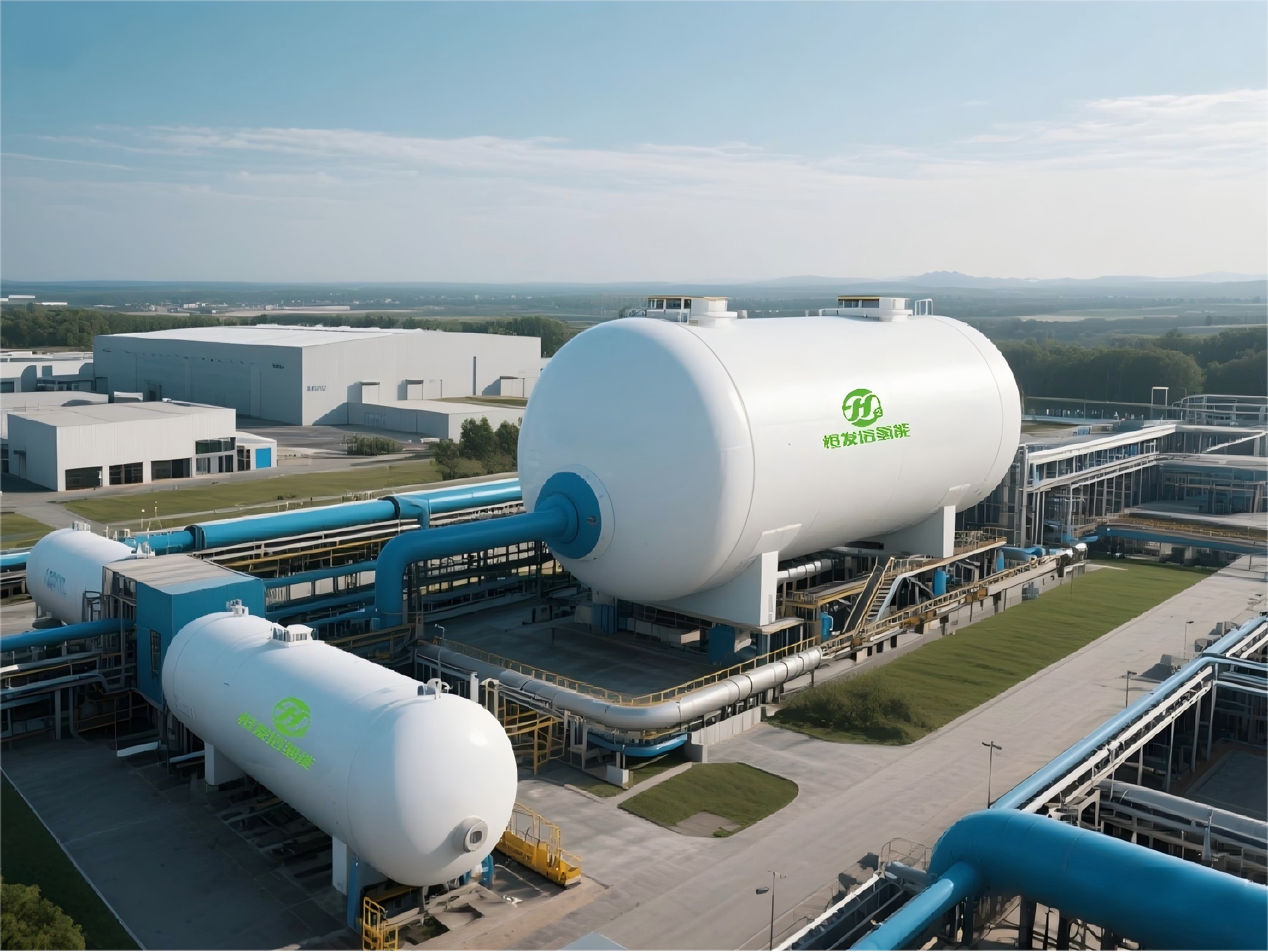
The direction requirements for hydrogen energy storage and transportation pilot projects are large-scale, long-distance transportation, high density, and diversified storage.
Currently, hydrogen energy storage and transportation are facing problems such as low transportation efficiency, large energy consumption for liquefaction, high cost, high cost of storage equipment, and easy volatilization and loss during transportation, as well as the difficult-to-solve "hydrogen embrittlement" reaction.The pilot projects for hydrogen energy storage and transportation in the "Notice" are aimed at these pain points, encouraging enterprises and research institutions to carry out technological breakthroughs, and to clear the obstacles of cost and safety for the trillion-level market of hydrogen energy in the future.
Hydrogen energy application and hydrogen energy support clearly point to the core demands of energy security and the dual carbon goals, namely, energy autonomy and controllability, and the transformation to low-carbon and even zero-carbon; through the mutual echo of the requirements of each direction, the mandatory full-chain coupling, the捆绑 of industry and economy, the upstream and downstream linkage of production and application, and the exploration of diversified development paths, a hydrogen energy governance framework with Chinese characteristics is gradually constructed.
With the continuous development and improvement of hydrogen energy related policies, in the future, hydrogen energy will occupy a larger proportion in the energy system, bringing us a cleaner and more stable energy supply, driving every device, and letting green and low-carbon touch every aspect of our lives.
And in the current development of the hydrogen energy industry, various hydrogen production methods are emerging in endlesslySo which model is really the true gold that can withstand the test of time?
Methanol-to-hydrogen, ***pathway

Integrating methanol production and hydrogen production
An efficient choice for policy pilot implementation
Since hydrogen energy was officially included in the Energy Law at the end of 2024, China's hydrogen industry has been gradually ushering in its own moment of glory. The distribution of the "Notice" has brought this wave of energy transition to a ***. Although methanol hydrogen production technology seems to be an ordinary role among many hydrogen production technologies in the current development, through the development requirements of this pilot, it can become a key role in solving the dilemma of hydrogen energy development with its unique technical characteristics,is an efficient choice for the implementation of this policy pilot.
The implementation of any technology cannot be separated from positioning itself in the overall development process,to find the right survival strategy in the industrial ecology, methanol hydrogen production has enough policy support points in the "Notice", which can quickly complete systematic construction and achieve the macro plan of building a hydrogen energy trillion market. In the eleven pilot development directions this time, methanol hydrogen production has a high policy fit.
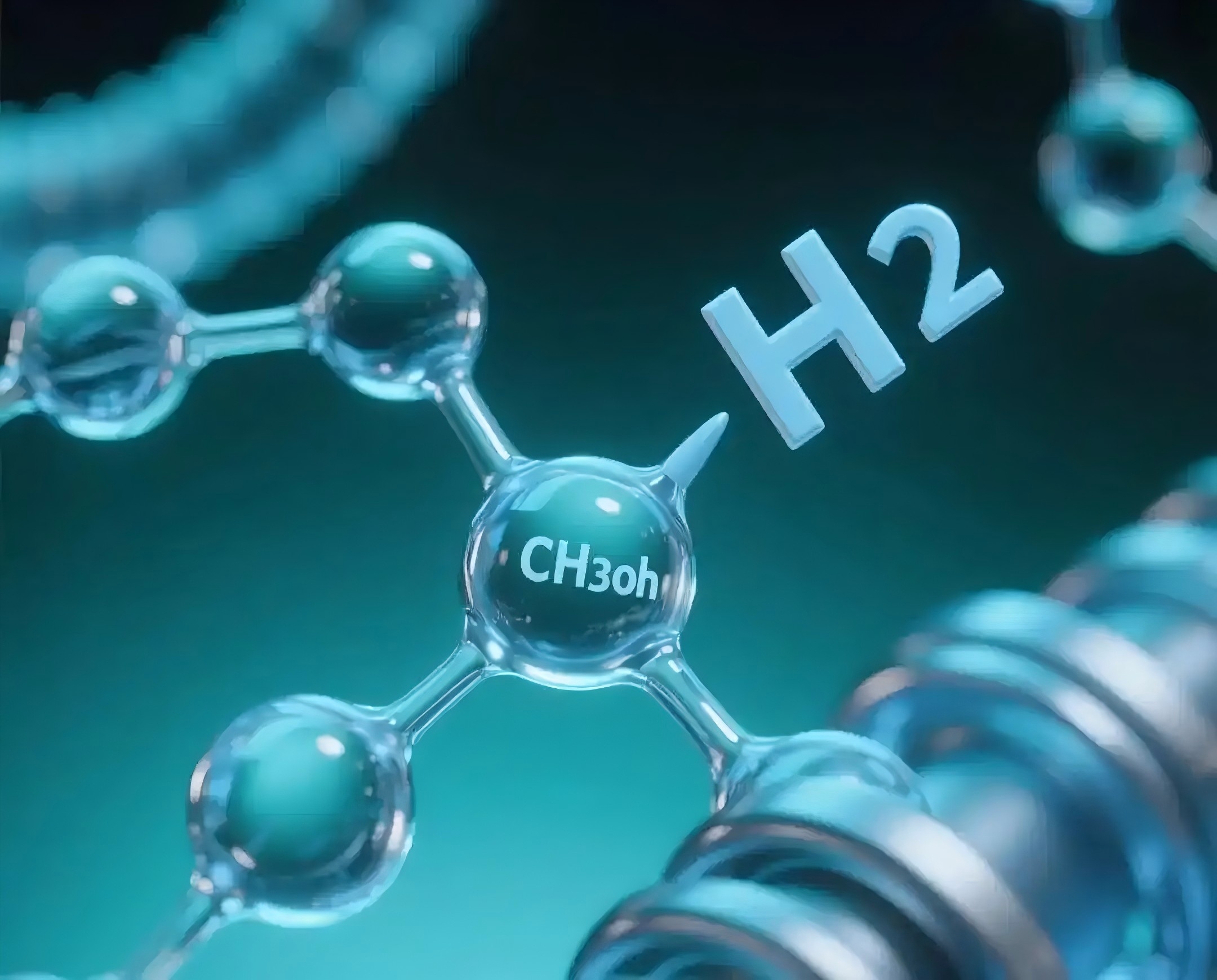
Supporting the efficient utilization of industrial by-product hydrogen in the comprehensive development direction of clean low-carbon hydrogen energy,Steam reforming of methanol for hydrogen production can directly utilize the by-product methanol resources from chemical industry, meeting this requirement, while also being able to combineScale, integrationof pilot requirements, and building a circular and complete hydrogen production and utilization model.
The pilot direction of hydrogen energy storage and transportation requires high-density diversified storage, which is a bottleneck that must be broken through in the development of hydrogen energy.
Compared with traditional fossil energy, the energy density of clean energy is relatively low, and the distribution is highly limited by geographical environment. It is necessary to further transform it into other forms of secondary energy for easy transmission and utilization. Similarly, the major bottleneck that currently limits the large-scale development of hydrogen energy is also the storage and transmission of hydrogen energy, and the problem is inseparably linked to the unique physical and chemical properties of hydrogen.
Methanol is the best carrier for hydrogen storage in nature, which has a higher unit mass and unit volume hydrogen storage density. The theoretical hydrogen storage mass fraction can reach 17%, and the theoretical hydrogen storage rate of direct dehydrogenation of methanol is about 12.5%. In terms of technology, hydrogen production from methanol and methanol hydrogen production are both relatively mature.
Therefore, methanol, as a "liquid hydrogen" with stable state under normal conditions, isan important part of supporting high-density, lightweight, and diversified hydrogen energy storage system construction and the expansion of hydrogen energy application scenarios, which is perfectly matched with the "ammonia-methanol carrier hydrogen storage" pilot
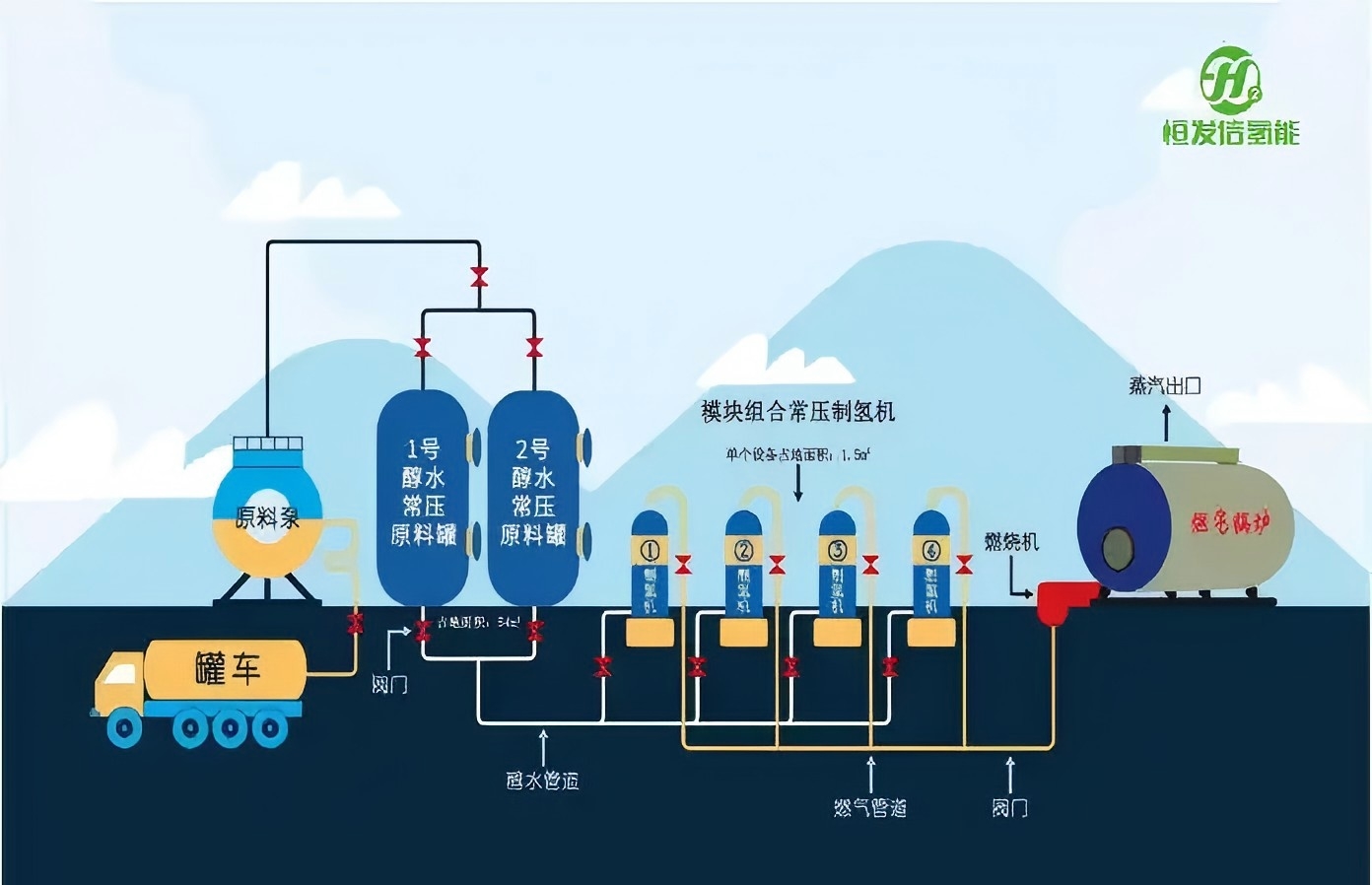
(Methanol-to-hydrogen process flow diagram)
Technology for hydrogen production from methanol is one of the earliest developed technologies in the field of hydrogen energy production. The current technology is quite mature, the overall process flow is relatively simple, and the project investment is also relatively low. The operating conditions are relatively mild, and the operating cost is low.Therefore, hydrogen production from methanol can be rapidly deployed in a short period of time using modular equipment.It can better meet the requirements of the "produce as you use" model, which is the advantage of hydrogen production from methanol.It breaks through the bottleneck of hydrogen energy delivery due to the lack of a dedicated pipeline network, that is, it ingeniously avoids the "pipelines network restrictions" to achieve "production, storage, and use integration", significantly reducing the cost of hydrogen for enterprises.It can further achieve the "off-grid energy supply" scenario required by the pilot direction, and what's more, it activates the hydrogen energy application in scenarios such as desert and戈壁, and deep sea, helping to achieve the core goals of the national hydrogen energy pilot policy.
The era of hydrogen, system innovation
At a critical period of the global transition between new and old energy and the accelerated restructuring of the hydrogen competition landscape, China's methanol-to-hydrogen technology is seizing a historic opportunity for rapid advancement, characterized by the country's abundant renewable energy resources, its massive market advantage, and a forward-looking and pragmatic policy system..The issuance of the
It can be seen that as the pilot deepens and resonates with technological-innovative, model-innovative, and institutional-innovative resonance, hydrogen energy will inevitably become the strategic support point for China's future new energy system — providing core support for achieving the "double carbon" goals, and will further push China to occupy the leading position in the global hydrogen value chain.